How we run a project
Five phases, from the first feasibility study to a plant in operation. INCOSE systems engineering keeps the design right. PMI’s PMBOK keeps cost and schedule under control.
Decide before the money is committed
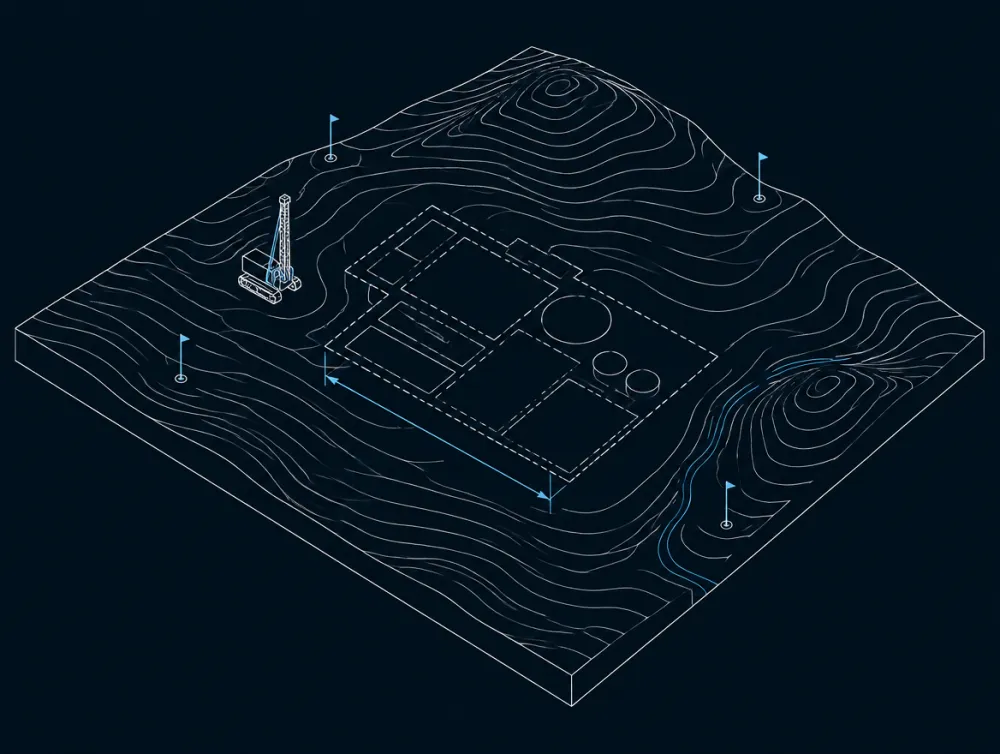
When concept work ends, a project has spent about 8% of its budget and already locked in around 70% of its cost. So our studies start with requirements, stakeholders and the operating concept, mapped top-down before anyone draws a plant.
What you get
- Requirements traced back to a business need
- Gate reviews that end in a clear go or no-go
- Risk-adjusted schedule and cost-benefit model
- Scenarios your investment committee can compare
Standards we work to
Read the full description
A Systems-Based Approach from the Start At +NR, we initiate each project with a structured and disciplined approach to feasibility studies, grounded in the principles of Systems Engineering as outlined by INCOSE and NASA SE handbook. We view every study as a critical phase of the project lifecycle, applying a Top-Down Requirements Analysis, stakeholder mapping, and operational concept development to ensure that all dimensions, technical, economic, regulatory, and environmental, are integrated from the outset. Our approach ensures traceability of requirements and promotes a model-based systems engineering (MBSE) culture for early-stage decisions.
Our PMO ensures that studies are not isolated exercises, but instead part of a strategic decision-making framework aligned with the client’s portfolio and investment goals. We utilize gate reviews, risk-adjusted scheduling, and cost-benefit modeling to provide clarity and alignment for all stakeholders. Through structured feasibility matrices and scenario analysis, we deliver studies that improve predictability, reduce rework downstream, and enable confident go/no-go investment decisions with a clear view of lifecycle outcomes.
Cost committed vs. cost spent
Drag across the lifecycleEvery requirement has a test waiting for it
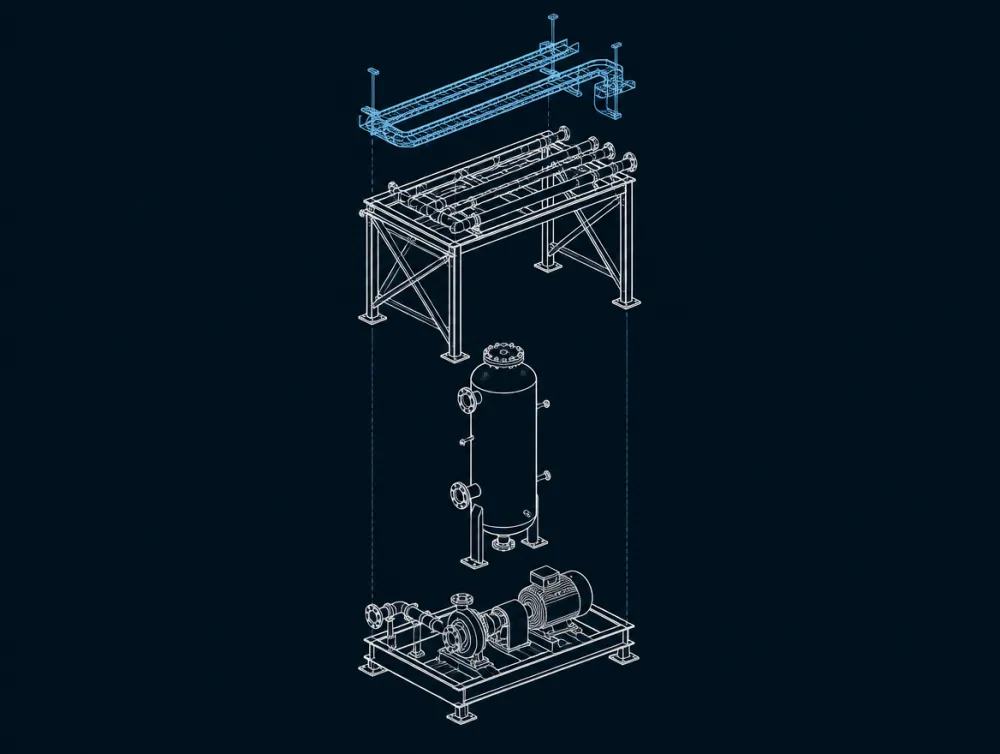
We design on the . Each requirement on the left of the V gets a verification step on the right, so integration problems show up on paper instead of on site. Mechanical, electrical, civil and systems teams work from one shared model.
What you get
- Interfaces defined between disciplines
- Design readiness reviews on a controlled baseline
- Trade studies and FMEA on critical equipment
- Value engineering before the design freezes
Standards we work to
Read the full description
Our engineering and design methodology is founded on INCOSE’s V-Model, which emphasizes requirements verification and validation throughout the project lifecycle. Each design package is developed with interface definition, system integration, and configuration management in mind, ensuring interoperability between disciplines and alignment with client goals. We foster collaborative design environments where systems, mechanical, electrical, and civil teams work within an integrated data environment, leveraging digital engineering and BIM tools.
+NR’s PMO applies design readiness reviews, value engineering, and technical baseline control to track progress, assess design maturity, and align outputs with stakeholder needs. Our teams work with trade studies, failure modes and effects analysis (FMEA), and systems modeling language (SysML) to ensure that designs are robust, optimized, and lifecycle-oriented. Our designs don’t only meet technical specs—they are built to achieve operational reliability, cost efficiency, and long-term maintainability for client assets.
V-Model
Pick a step to see how it is verifiedSystem requirements is checked by System verification
Five gates, each with written criteria
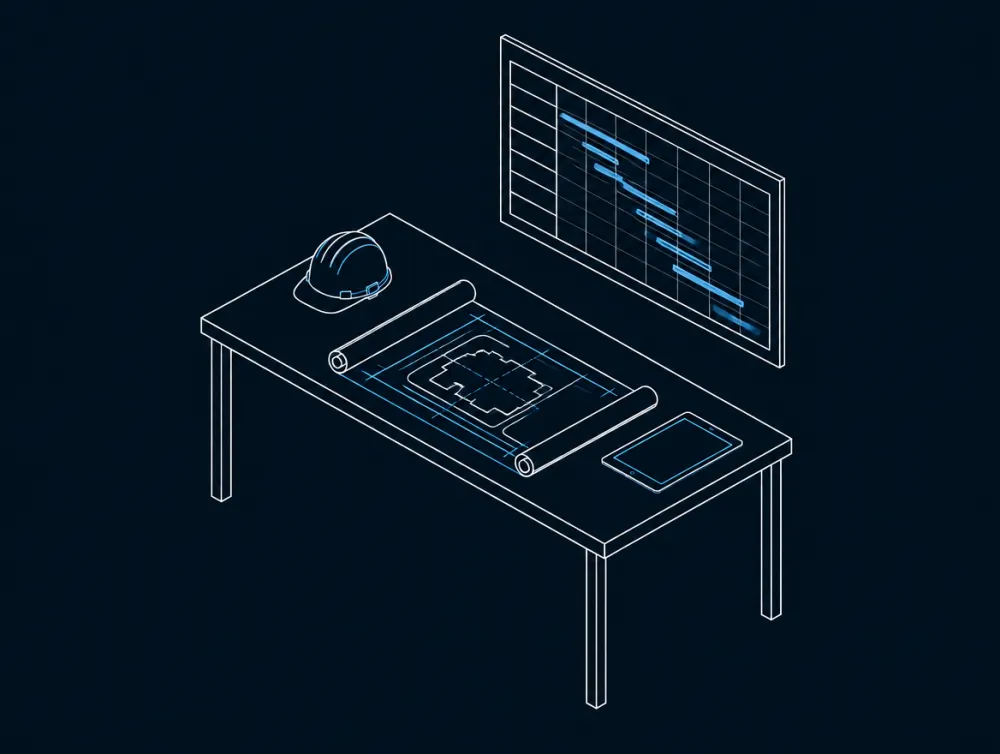
Our PMO combines lifecycle processes with . Every phase closes at a gate, and the client signs off before the next one starts. Between gates we track earned value, the critical path and the risk register.
What you get
- Earned value reporting you can audit
- Critical path schedule, updated weekly
- Change control board for every scope change
- Risk register with an owner per risk
Standards we work to
Read the full description
Our Project Management Office integrates INCOSE’s lifecycle processes with PMI’s PMBOK standards to deliver structured, accountable, and adaptive project management across all phases. We focus on scope control, earned value management (EVM), critical path method (CPM) scheduling, and risk-based planning. Systems Thinking is embedded in our approach, ensuring that every work package contributes to system-level objectives and project outcomes.
Our project managers act as integrators, applying change control boards (CCB), configuration control, and performance measurement baselines to manage complexity and drive transparency. By operating within a governance framework, we ensure that stakeholder expectations, budget, schedule, and quality targets are balanced and tracked. Our team becomes an extension of the client’s organization, promoting cross-functional collaboration, decision traceability, and a predictive environment for on-time, on-budget, and on-value delivery.
Project gates
Pick a gate to see what must be true before it opens- Project charter signed by every stakeholder
- Scope agreed with the client
- High-level schedule and milestones approved
Measure the waste, then remove it
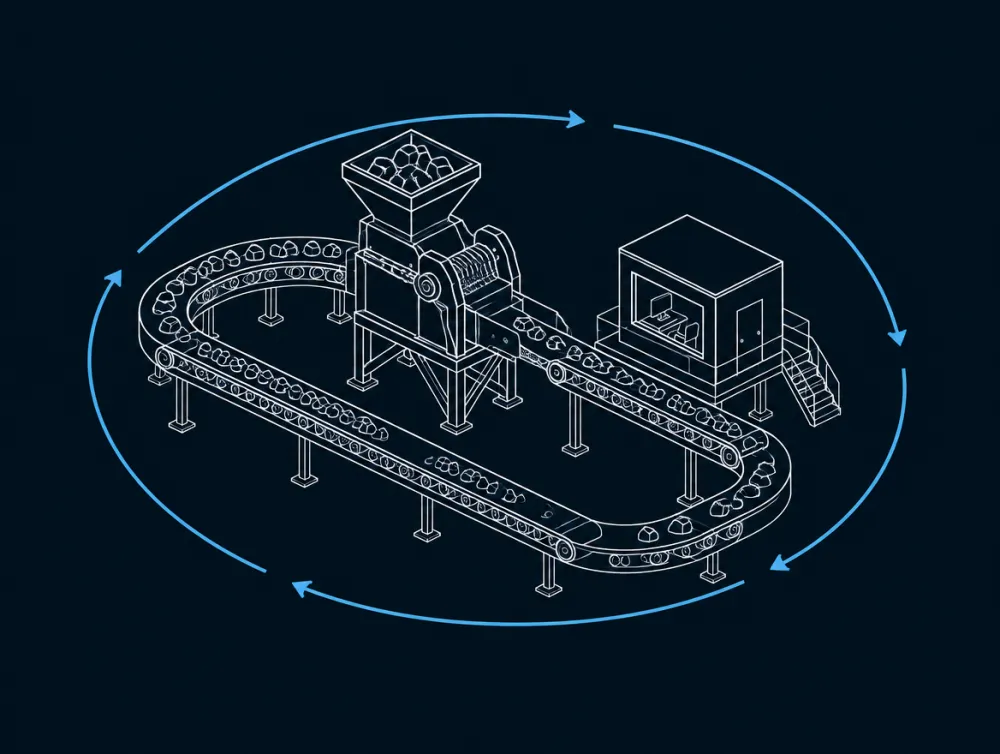
Support work runs on and . We start from your own operating data, find the root cause and only then propose changes. and give those changes a structure that lasts after we leave.
What you get
- Baseline metrics from your own data
- Root cause analysis, documented
- Process capability assessment
- Lessons learned your team can reuse
Standards we work to
Read the full description
At +NR, continuous improvement is more than a practice it is embedded in the way we think, operate, and support our clients. We combine the principles of Systems Engineering (INCOSE) with robust methodologies such as DMAIC (Define, Measure, Analyze, Improve, Control) and Lean Six Sigma to deliver sustainable performance improvements. These approaches allow us to identify inefficiencies, reduce variation, and eliminate waste across project and organizational processes. We focus on enhancing productivity, quality, and operational agility, while reinforcing evidence-based decision-making through key metrics and performance indicators.
Our PMO promotes organizational effectiveness by leveraging frameworks like CMMI (Capability Maturity Model Integration) and ISO 9001, driving a culture of excellence and continuous learning. We implement structured Lessons Learned, Root Cause Analysis, and Process Capability Assessments to help organizations evolve, scale, and respond to complexity with agility. Through the application of systems thinking at the organizational level, we improve communication flows, reduce silos, and build high-performance environments that support project execution and long-term strategic success. Our mission is not just to support the project but to strengthen the organization behind it.
DMAIC cycle
Pick a stepDefine
- Launch the team
- Plan the project
- Gather the voice of the customer
One team accountable from design to commissioning
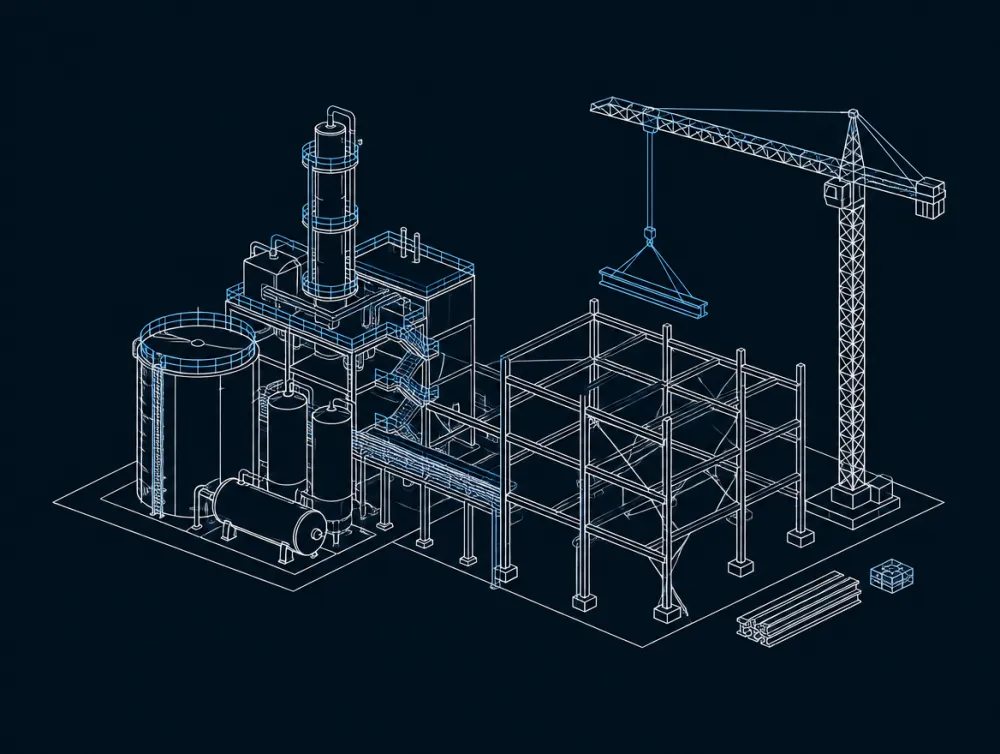
On EPC and EPCM contracts we lead the project and coordinate our construction partners. You deal with one team, the controls from the earlier phases stay in place, and cost or schedule deviations surface while they are still small.
What you get
- Business case
- Front-end systems engineering
- Operational improvements
- Greenfield and brownfield projects
- Startup and ramp-up
Standards we work to
Read the full description
At +NR, we deliver EPC (Engineering, Procurement, and Construction) and EPCM (Engineering, Procurement, and Construction Management) services with a fully integrated, turnkey approach. Acting as project lead, we coordinate closely with our trusted global construction partners to provide multidisciplinary execution, covering the entire project lifecycle, from early design through commissioning. This model ensures centralized accountability, streamlined communication, and a singular vision for success.
Our ability to bring predictability and reduce risk in complex projects stems from the structured methodologies we apply. Drawing from the PMBOK framework, we implement best practices in scope management, schedule development, cost control, quality planning, and stakeholder engagement , all under the guidance of a robust Project Management Office (PMO). Simultaneously, our use of INCOSE’s Systems Engineering principles ensures that all project elements are fully integrated, with requirements traceability, interface control, and lifecycle thinking embedded throughout the process. By combining these two globally recognized frameworks, we enhance visibility, control, and alignment, enabling our clients to make informed decisions and confidently move through each project phase with reduced exposure to cost and schedule deviations.
EPC or EPCM?
- Construction contracts held by
- You, the owner
- Construction risk sits with
- You, with +NR managing
- Owner’s control over contractors
- Higher
- Usually suits
- Scope that may still change
Have a project at study stage?
Tell us where it is today and our engineering team will get back to you.