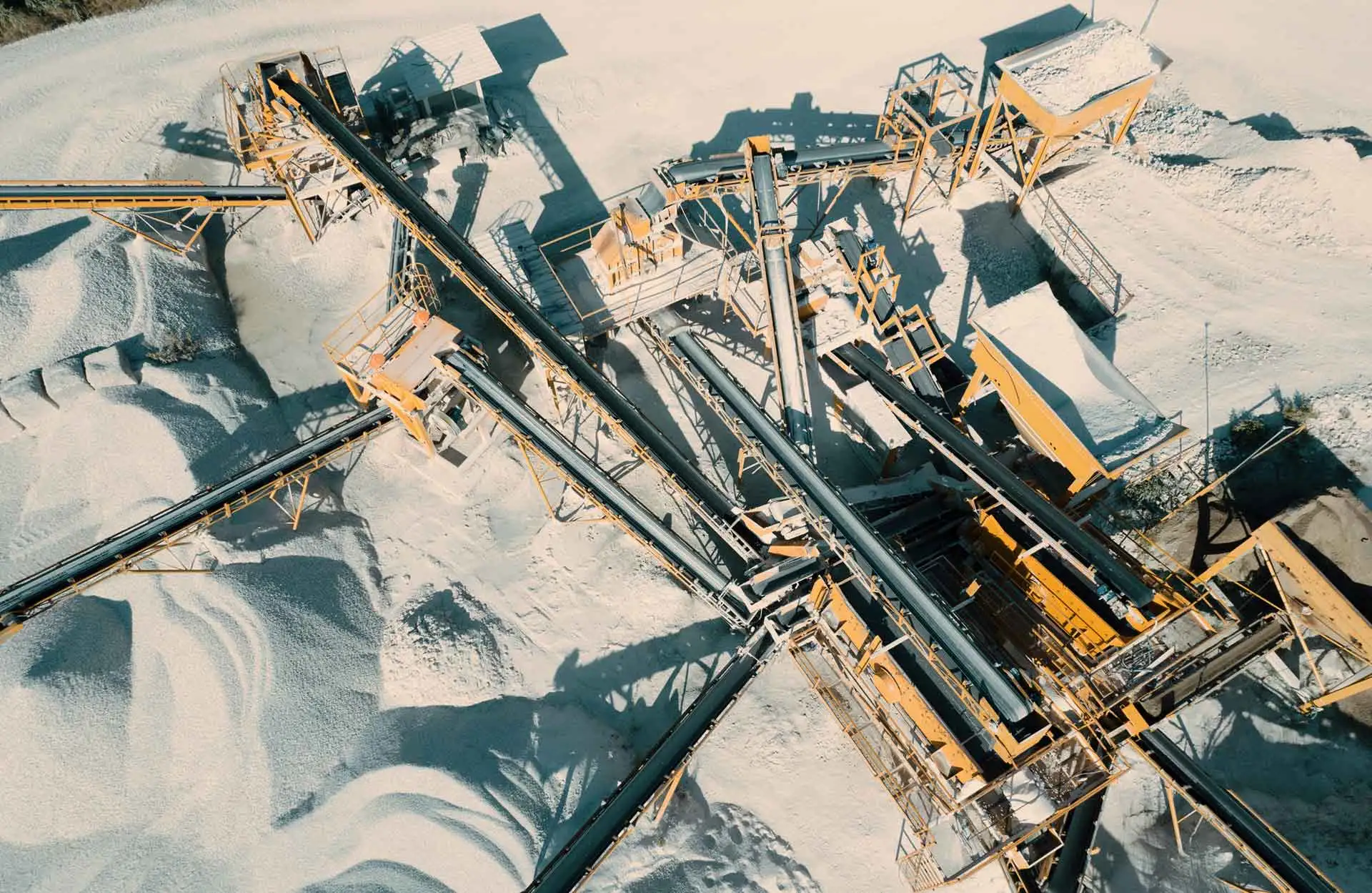
MINING & METALS ENGINEERING SOLUTIONS
A holistic and systemic vision is essential for project success, identifying risks, optimizing designs, and ensuring alignment with engineering and operational objectives and standards, laying the foundation for subsequent project phases.
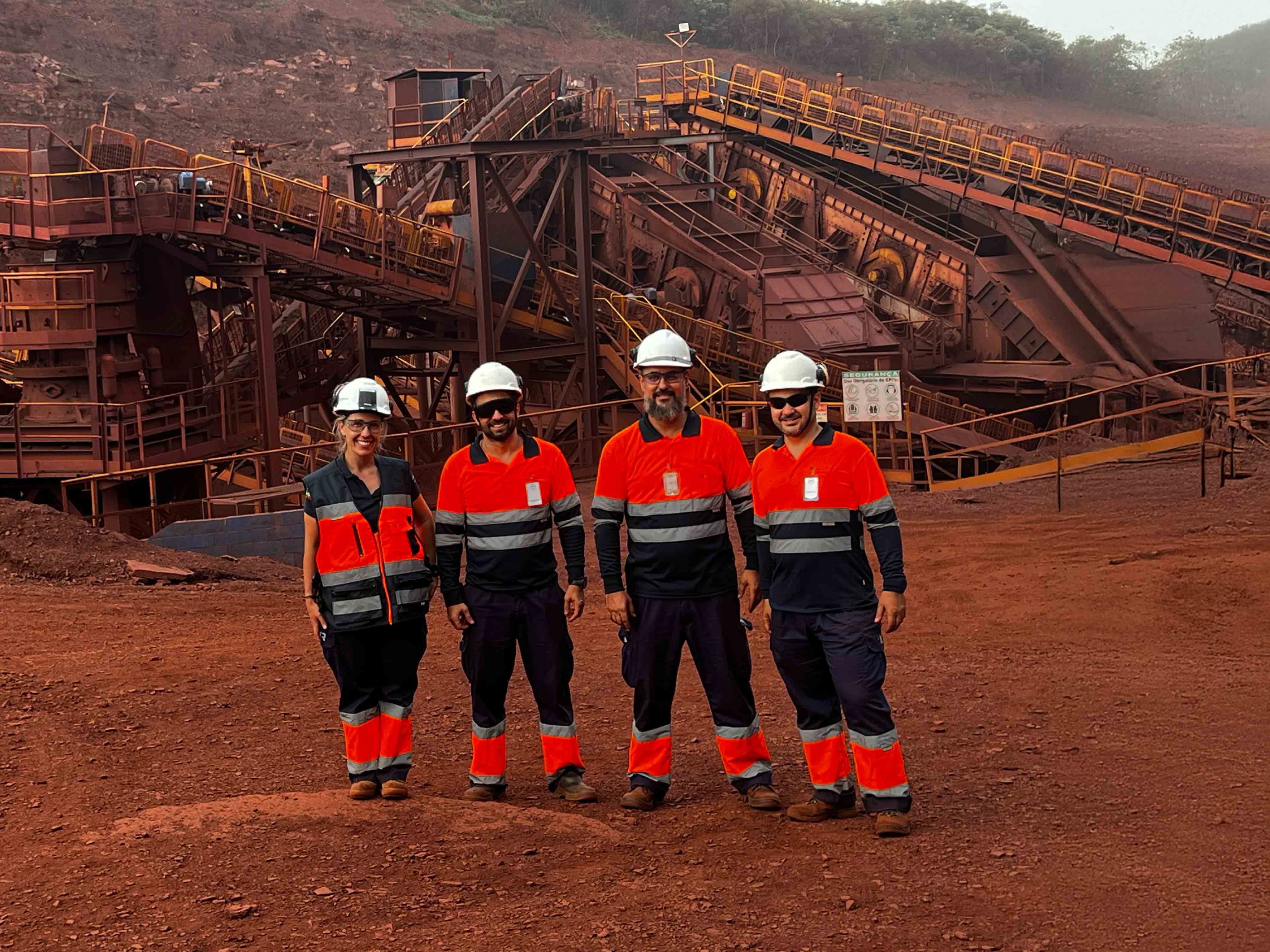
01Feasibility Studies Scoping evaluations & data analysis
Greenfield/brownfield project assessments
Financial & technical viability studies
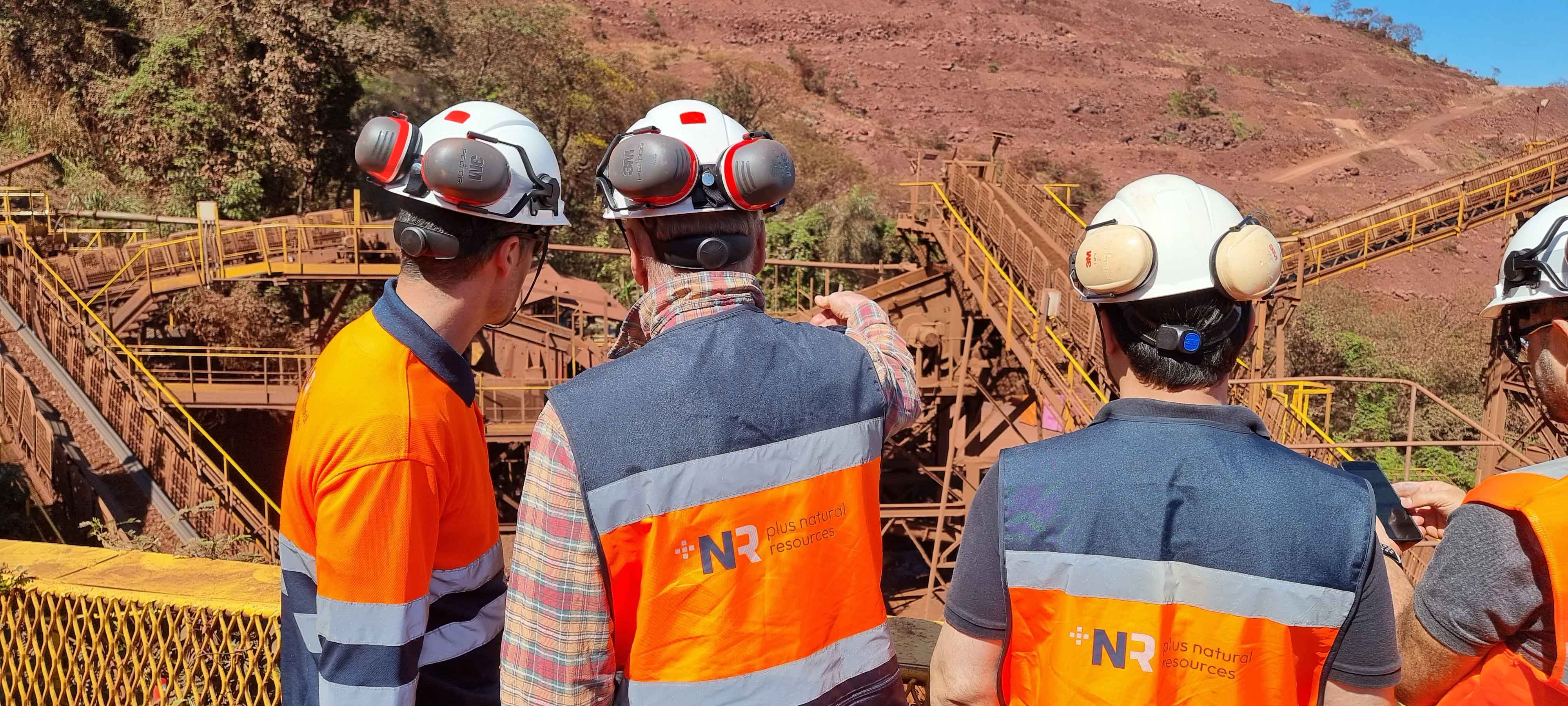
02Execution Planning Resource allocation strategies
Work sequencing & interface management
Brownfield integration planning
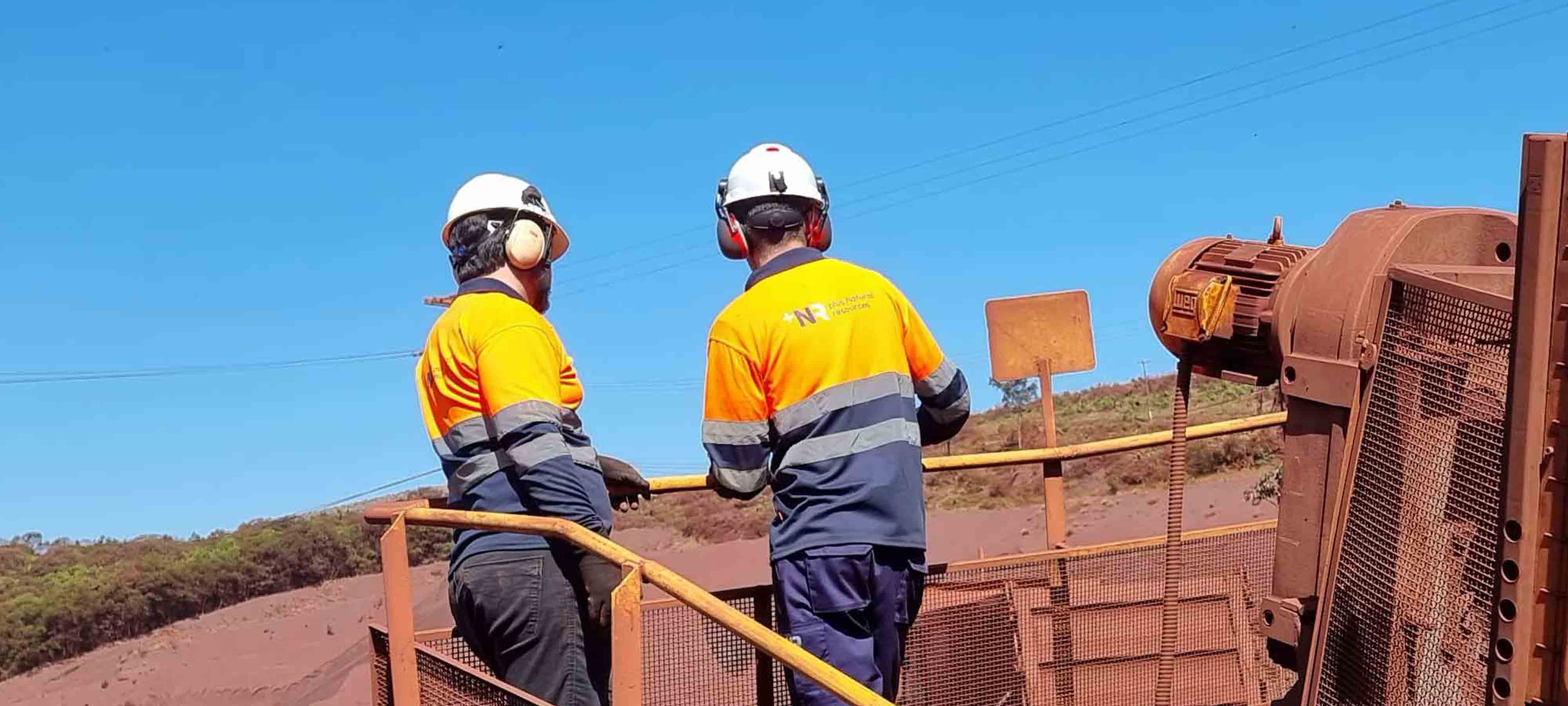
03Commissioning Construction oversight
Multidisciplinary alignment
Startup & operational readiness
Front-end engineering and capital basis
FEED sets the capital number, the procurement strategy and the construction baseline that every later phase is measured against. The deliverables below are produced together, by the same discipline leads who will carry the detailed design.
Multidiscipline FEED to AACE Class 3, with capital accuracy of ±10 to 15%
Basis of design aligned with the operator's philosophy
Capital estimate with quantified contingency and an audit trail to scope
Procurement packaging strategy and long-lead item identification
Construction sequencing baseline
Risk register opened against the engineering baseline
Interface register maintained as a live document
Requirements traceability under the INCOSE V-model
Mineral Systems Engineering & Technical Optimization
We apply systems engineering to mining design. That means analyzing material flow, balancing mass across the plant, and validating dynamic behavior through simulation, all before construction. The point is to catch design risks when changes still cost hours, not months of rework.
Mine Services
Mineral Processing
Geological and geometallurgical assessment
Mine planning (long & short-term) and operational scenario development
Mineral characterization and metallurgical testwork support
Material flow analysis and handling system improvements
Mass balance and volumetric assessments
Advanced modeling (DEM simulations)
Production performance gap analysis
Process optimization and energy efficiency improvements
Structural and vibration FEA studies
Bulk Water Supply
Infrastructure & Facility Design
From greenfield mine layouts to brownfield retrofits, +NR engineers the full mining infrastructure stack: civil works, material handling systems, facility design and water management. Everything is integrated through a single project management discipline aligned to PMBOK standards.
Excavation & civil works planning
Facility layout and infrastructure engineering
Electrical, instrumentation (E&I) & automation systems design
Sustainable Mining Electrification
The transition to electric mining fleets requires more than swapping engines. It demands charging infrastructure, grid reinforcement, and rethinking how energy flows through the operation. +NR integrates electrification planning into mine design, sizing renewables, batteries and substations against production schedules and decarbonization targets. The result is investment dimensioned for what the operation actually needs.
Electrification roadmap: sequencing fleet, fixed plant and infrastructure conversion by TCO
Grid reinforcement and on-site generation: sizing renewables, battery storage and substations
Charging infrastructure design: depot and in-pit charging integrated with mine planning
Decarbonization strategy: measurable scope 1 and 2 reduction tied to operational targets